

AI created this feature image to illustrate the vehicle concept.
The automotive landscape is perpetually shifting. A Tesla Cybertruck SUV concept uniquely created cultural shock and massive speculation. This hypothetical variant, a logical evolution of the polarizing Cybertruck pickup, exists in a fascinating limbo. This highly anticipated product only exists in fleeting design mock-ups. Ultimately, this concept has captured the imagination of electric vehicle enthusiasts and critics alike. We must analyze what this angular hauler represents for Tesla and the SUV definition.
The transition from a dedicated pickup to a full-size SUV derivative is a commercially prudent and strategically necessary move for the company. This is true even if the primary Cybertruck sales have not met initial hyperbolic projections. Tesla, an innovative leader in the EV space, recognizes the value of platform sharing. Therefore, expanding the Cybertruck’s unique architecture into a full-size SUV segment is a financial imperative to amortize the substantial development costs.
The Genesis of a Geometric Ghost and the Platform Imperative
The Cybertruck pickup, unveiled in 2019, fundamentally challenged the aesthetic norms of automotive design. The brutalist, low-poly form uses “Hard Freaking Stainless Steel” (HFS) to create a structural exoskeleton. Consequently, the vehicle instantly cleaved public opinion. It looked less like a modern truck and more like a prop salvaged from a 1980s sci-fi movie. This dramatic departure from the organic curves and familiar profiles dominating the roads was entirely intentional.
However, the most compelling evidence for this “CyberSUV” comes not from official press releases, but from subtle, almost cryptic clues dropped by Tesla itself. For instance, a recent promotional video detailing the company’s “Master Plan Part 4” included brief, blink-and-you’ll-miss-it glimpses of various clay models in a design studio. Specifically, among these mock-ups were clearly Cybertruck-inspired body styles lacking a traditional open bed, suggesting an enclosed SUV or perhaps even a boxy minivan-like profile. These visual breadcrumbs serve as a clear indication of internal exploration.
Furthermore, key Tesla personnel, including Chief Designer Franz von Holzhausen, have all but confirmed in media interviews that an SUV variant, alongside a smaller, globally-friendly Cybertruck, is among the concepts “definitely considered.” Thus, the conversation among analysts and enthusiasts moves from if it is being considered to how it will be executed. The market has loudly signaled a demand for a large, all-electric, three-row SUV from the brand.
Reimagining the Utility Vehicle: The Exoskeleton and HFS Challenges
To translate the Cybertruck’s core design language to a high-volume SUV presents a unique set of engineering and philosophical hurdles. All of the pickup’s defining features—the sharp angles, the unpainted stainless steel exoskeleton, and the structural battery pack—would need to be adapted for a different form factor.
The structural element is paramount to the entire platform. The Cybertruck’s HFS exoskeleton eliminates the need for a separate body-on-frame chassis, which is a radical departure in truck design. Therefore, for an SUV, this principle would likely be retained. Retention would offer exceptional rigidity, unparalleled dent resistance, and enhanced passenger safety, a trio of selling points that align perfectly with Tesla’s reputation. In addition, the exoskeleton concept maximizes interior volume and protection.
Nevertheless, the use of this specific stainless steel alloy is problematic. It is notoriously difficult to stamp and form into complex curves, which is the very reason for the vehicle’s angular, “folded metal” appearance. While a traditional SUV shape might require softer lines, adopting the exoskeleton mandate ensures the CyberSUV would retain its iconic, divisive aesthetic. This commitment to the polarizing look is both its greatest marketing strength and, potentially, its greatest commercial vulnerability. Mass-market appeal typically favors softer, more conventional styling, and the CyberSUV will have to overcome this preference.
The Technological Inheritance: Agility, Power, and the Grid
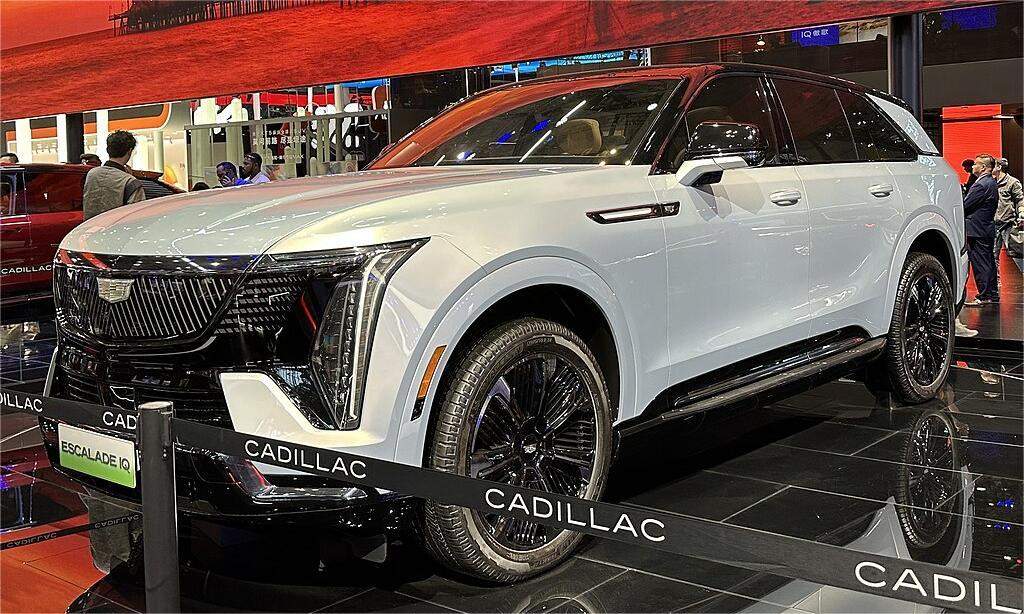
Another major feature that would certainly carry over is the Steer-by-Wire system combined with four-wheel steering. This advanced technology allows the enormous Cybertruck pickup to feel surprisingly agile, providing a tighter turning circle than many smaller vehicles. Consequently, for a full-size SUV that will navigate congested city centers and tight parking structures, this maneuverability would be a crucial, class-leading advantage. The CyberSUV would be competing directly with vehicles like the gargantuan Cadillac Escalade-V and the Lincoln Navigator, both of which struggle with urban agility.
The sheer size of the original Cybertruck—nearly 18.7 feet in length—is a common complaint from reservation holders, especially those outside of North America. Therefore, a potential CyberSUV version, whether full-size or a rumored “smaller variant,” is an intriguing prospect for consumers who want the style and technology without the massive footprint. A slightly shorter, enclosed body could dramatically improve practicality for garage storage and parking.
Furthermore, it is speculated that the CyberSUV would leverage all of the new technological infrastructure pioneered in the pickup. This includes the high-speed Etherloop interconnect and, most significantly, the 48-volt low-voltage electrical architecture. This new architecture allows for lighter wiring harnesses, simplified assembly, and more robust components. The entire electrical system is a substantial engineering leap.
The ability to draw up to 9.6 kW of power from the battery (PowerShare) could be a genuine game-changer for a family-focused SUV. For example, it could power an entire campsite, an elaborate tailgate party setup, or even a home during a multi-day power outage, a feature often called “bi-directional charging.” Such immense electrical versatility would elevate the CyberSUV beyond a mere transport vehicle. It would truly become a mobile power hub, a valued feature in today’s increasingly electrified world.
Interior and Market Positioning: Solving Tesla’s Three-Row Problem
Presently, Tesla lacks a true, large, three-row SUV capable of competing with the full-size offerings from traditional automakers. The Model X, while quick and innovative, is categorized as a mid-size crossover with limited third-row space, and its complex Falcon Wing doors, while spectacular, are not universally practical. This is why the CyberSUV could carve out a massive and highly lucrative niche.
A Cybertruck-based SUV platform would offer a commanding, spacious cabin with a proper, usable third row. The flat floor enabled by the EV “skateboard” architecture, combined with the Cybertruck’s broad, tall dimensions, suggests a truly voluminous interior space. The five-seat configuration of the current Cybertruck pickup already hints at the potential for seven or even eight adults to sit comfortably in an enclosed SUV variant. Clearly, this vehicle would not just be another electric SUV. It would be an electric utility vehicle in the truest sense, combining family-hauling capability with the rugged, all-weather prowess of the original truck.
The interior design would retain the minimalist, screen-centric approach of the Cybertruck. This means an enormous 18.5-inch center touchscreen and a dedicated 9.4-inch rear screen for entertainment and climate control. Additionally, the glass roof and simple cabin décor seen in the pickup would likely enhance the sense of spaciousness within the CyberSUV.
Performance: A Cyberbeast in SUV Form
One of the less-discussed but equally important aspects of the Cybertruck is its blistering performance figures. The tri-motor “Cyberbeast” variant boasts 845 horsepower and a 0-60 mph time of a breathtaking 2.6 seconds, making it one of the quickest accelerating production vehicles ever. While an SUV variant might see a slight curb weight increase due to the enclosed cabin structure and additional seating, it would undoubtedly inherit this “ludicrous” level of acceleration.
An SUV version would likely feature the same powertrain options as the pickup:
- Rear-Wheel Drive (RWD) / Single-Motor: This would serve as the entry point, offering maximum range for the price.
- All-Wheel Drive (AWD) / Dual-Motor: This option is expected to be the most popular choice, balancing range, capability, and performance.
- Cyberbeast / Tri-Motor: This would be the halo model, delivering supercar-humbling speed in a colossal family package.
This blend of hyper-performance and utility would set the CyberSUV far apart from competitors like the Rivian R1S or even the Tesla Model X. Instead, it would become a profound technological statement on wheels, capable of handling rough terrain with its adaptive air suspension (offering up to 16 inches of ground clearance) while simultaneously humbling almost any sports car at a stoplight. This duality—rugged capability paired with extreme, instant speed—is a signature Tesla flourish. It would, consequently, be the defining factor of the new SUV’s market position.
Conclusion: A Calculated Risk and the Future of Utility
The decision to move forward with a Cybertruck-based SUV is a calculated one. This move reflects both Tesla’s corporate strategy and the continued evolution of the global EV market. The Cybertruck’s slow ramp-up and initial challenges with production and price point have indicated a need. Specifically, the company must maximize the return on investment from the unique R&D that went into the vehicle’s architecture. Developing a related model on the same platform—be it a smaller truck or an SUV—is a common and necessary strategy in the auto industry to efficiently absorb high development costs.
If the CyberSUV were to launch, its ultimate success would hinge on two key factors: its final price point and the public’s enduring appetite for its radical aesthetic. The full-size SUV segment is fiercely competitive and often dominated by brand loyalty. Although the angular design offers dramatic differentiation, it also runs the risk of alienating a significant portion of the conventional buying public. These buyers still largely prefer a more traditional, or at least less aggressively styled, vehicle for their family transport.
Ultimately, the Tesla Cybertruck SUV is much more than a rumor. It is a logical and inevitable expansion that effectively addresses a current, glaring void in Tesla’s product lineup—the true three-row utility vehicle. It promises to combine the Cybertruck’s boundary-pushing technology and divisive design with the fundamental, non-negotiable practicality of an SUV. Should it transition successfully from a mere clay model in a design studio to a reality on the factory floor, the CyberSUV would not merely join the EV market. Rather, it would powerfully redefine the electric family hauler in the same shocking, uncompromising way that the original Cybertruck initially disrupted the world of pickup trucks.
Key Articles & Reports
From Cybertruck to Cyber SUV? Tesla Leaves Hints, Not Answers (Autos.yahoo)
Tesla gives big hint that it will build Cyber SUV, smaller Cybertruck (Teslarati)
Tesla’s Design Chief Von Holzhausen All but Confirms CyberSUV, Smaller Cybertruck Variant (AutoEvolution)
Tesla Video Hints at Cybertruck-Based Three-Row SUV Concept in Master Plan 4 (EVMagz)