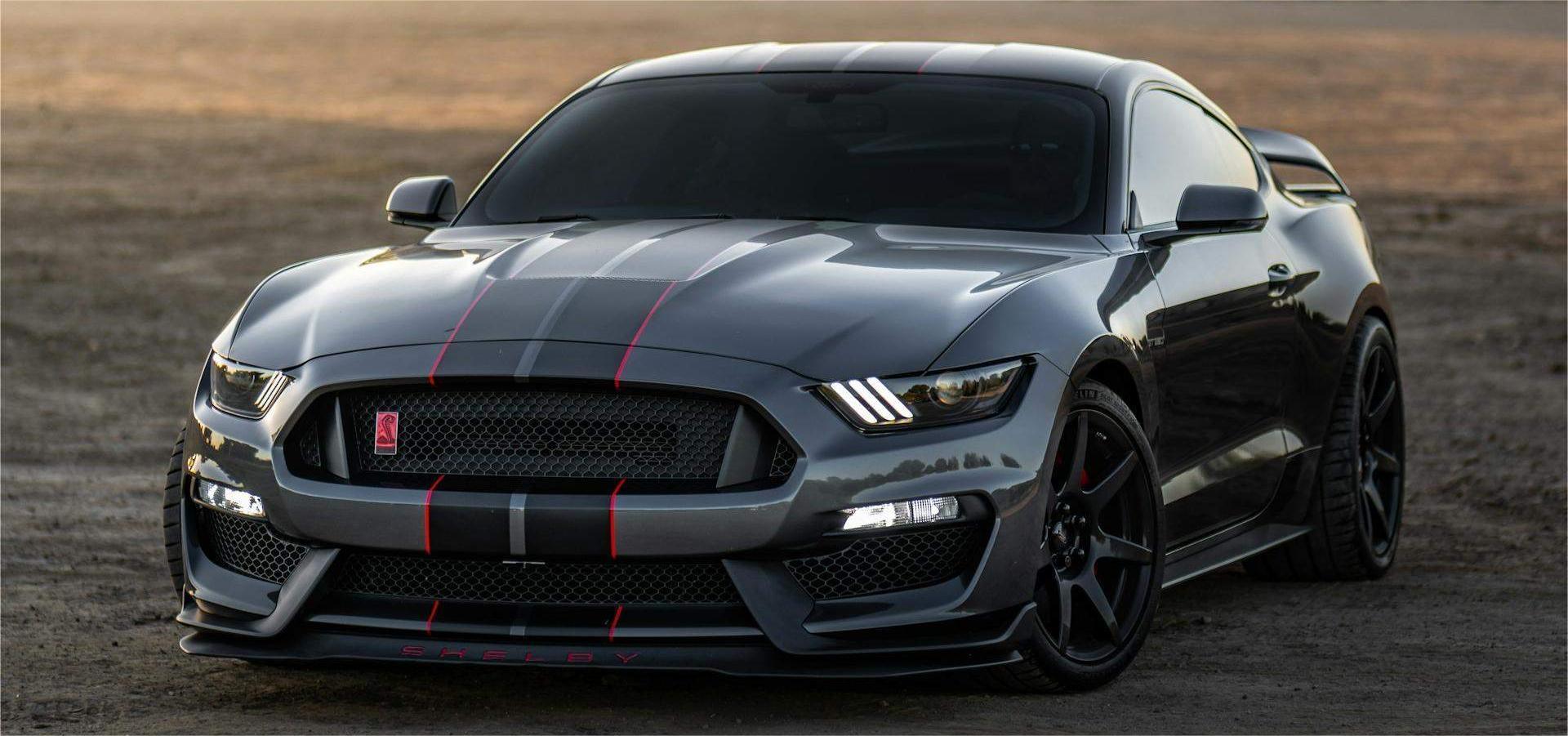


Featured Image by CZmarlin, CC0, via Wikimedia Commons
AMC’s Bold Entry: The 1970 AMX Performance Statement
The 1970 AMC AMX stands as a testament to American Motors Corporation’s (AMC) attempt to force its way into the shark tank of high-performance vehicles. In a landscape dominated by giants like Ford, Chevrolet, and Chrysler, AMC sought to carve out its own niche, and the AMX was a bold declaration of their intent. This two-seater performance car, with its distinctive styling and potent engine options, captured the hearts of many car enthusiasts, even as it faced the challenges of a rapidly evolving automotive market.
Origins of the AMX: AMC’s Quest for Performance
To understand the AMX it’s essential to trace its origins. The AMX was born from AMC’s desire to cast off its reputation for producing practical economy cars. The company aimed to inject excitement into its lineup, and the AMX was conceived as a performance-oriented halo car. The AMX’s roots are firmly planted in the AMC Javelin, however the AMX was a shorter wheelbased two-seat configuration vehicle. This alone made the AMX a very unique American performance car.
1970 AMX: A Distinct Design Evolution


The 1970 model year brought significant changes to the AMX, marking a distinct evolution in its design. The most noticeable alterations occurred at the front end, where a longer hood and a redesigned grille transformed the car’s appearance. The hood now featured a “power blister” with functional air intakes, particularly when equipped with the optional “Go Package.” This ram-air induction system enhanced engine performance, aligning with the growing emphasis on power in the muscle car segment. The grille, now flush and full-width, integrated the headlamps, creating a more aggressive and modern look. The rear end also received attention, with redesigned taillamps and a center-mounted backup light.
Power and Performance: The 1970 AMX’s Engine Options

Beneath the AMX’s revised exterior lay a range of potent engine options. The 1970 model year saw the introduction of a new 360 cubic-inch V8 rated at 290 hp and 395 lb-ft, which replaced the previous 343 cubic-inch engine. The venerable 390 cubic-inch V8 rated at 325 hp and 420 lb-ft remained available, further refined to deliver increased power. These engine choices, coupled with the optional “Go Package,” allowed buyers to tailor the AMX to their performance preferences. The “Go Package” included performance upgrades such as power front disc brakes, performance tires, and a heavy-duty cooling system.
The AMX, with its powerful V8 engines and optional “Go Package,” offered sporty performance at a more accessible price point, competing with other muscle cars like the Ford Mustang, Chevrolet Camaro, and Pontiac Firebird.
AMX vs. Corvette: A Nuanced Rivalry
The Chevrolet Corvette was the prime competitor to the AMX, though their rivalry existed within a nuanced market dynamic. While both were two-seater performance cars emphasizing performance, AMC positioned the AMX as a more affordable alternative, thus appealing to a segment of buyers seeking a sporty experience without the Corvette’s higher price tag. This distinction meant that while they competed for the attention of sports car enthusiasts, the AMX also carried some muscle car characteristics and targeted a more value-oriented customer. Essentially, the AMX aimed to provide a viable alternative, offering similar performance attributes at a more accessible cost, thereby carving out its own distinct space in the American sports car market.
Interior Refinements and Market Challenges of the 1970 AMX


The interior of the 1970 AMX also received updates, reflecting the era’s emphasis on comfort and style. The dashboard and center console were redesigned, featuring wood-grain accents. The bucket seats, now with integrated headrests, provided improved support and comfort. Optional leather upholstery added a touch of luxury.
Despite its performance capabilities and distinctive styling, the AMX faced challenges in a competitive market. The performance car segment was fiercely contested, with established players like the Chevrolet Corvette and Ford Mustang commanding significant market share. AMC, with its smaller production capacity and limited resources, struggled to match the sales volumes of its larger rivals.
Furthermore, the early 1970s marked a period of transition for the American automotive industry. Rising fuel prices and increasing regulatory pressures began to shift consumer preferences away from high-performance vehicles. The muscle car era, while still vibrant, was facing its twilight.
However, the 1970 AMC AMX has found a very strong following with classic car collectors. The car is known for its unique styling, and relative rarity. Due to the lower production numbers, finding a well preserved 1970 AMX can be a challenge. The fact that the car was a 2 seat vehicle, also sets it apart from the other Amercian performance vehicles of the time.
The Lasting Legacy of the 1970 AMC AMX

In conclusion, the 1970 AMC AMX represents a fascinating chapter in American automotive history. It embodies the spirit of the muscle car era, with its powerful engines and bold styling. While it may not have achieved the commercial success of its larger rivals, the AMX has earned a place in the hearts of automotive enthusiasts. Its unique design, potent performance, and relative rarity have cemented its status as a classic.