

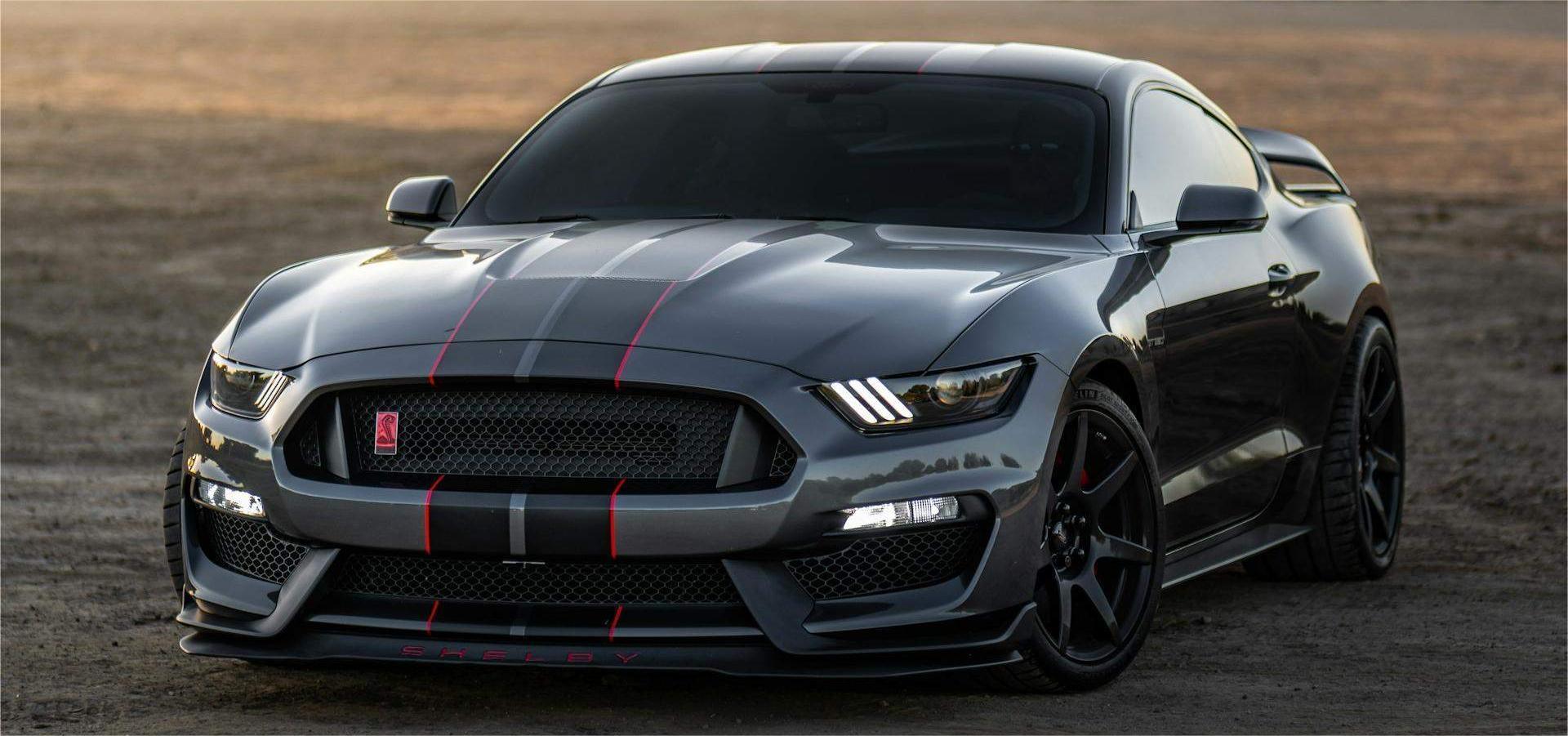

Featured Image by Tyler Clemmensen on Unsplash
The Sixth Generation Ford Mustang evokes images of roaring V8s, sleek silhouettes, and the open road. A symbol of American freedom and performance, the Mustang has a rich history, evolving through five generations. However, the sixth generation (S550), produced from 2015 to 2023, represented a significant leap forward, blending classic Mustang DNA with modern engineering, global appeal, and a renewed focus on performance and refinement. This article gets right into the details of this transformative generation, exploring its design, performance, technology, and legacy.
Key Features and Improvements:
- Sleek Design: The S550 boasted a more modern, aggressive design while still retaining classic Mustang cues.
- Independent Rear Suspension: A major engineering leap, the independent rear suspension significantly improved handling and ride quality.
- Powerful Engine Options: The lineup included a turbocharged 2.3-liter EcoBoost engine, a naturally aspirated 5.0-liter V8, and high-performance variants like the Shelby GT350 and GT500.
- Advanced Technology: Features like a customizable digital instrument cluster and advanced driver-assistance systems enhanced the driving experience.
- Global Reach: The S550 was sold in over 140 countries, solidifying the Mustang’s position as a truly international icon.
A Global Mustang: Design and Development
One of the most significant aspects of the sixth-generation Mustang was its global focus. Ford aimed to create a Mustang that could compete not just in the American market, but also in Europe and other regions. This ambition influenced every aspect of the car, from its design to its engineering.
The design team, led by Moray Callum, walked a tightrope, balancing the need to retain the iconic Mustang styling cues with the desire to create a more modern and globally appealing aesthetic. The result was a car that clearly belonged to the Mustang lineage, yet possessed a more sophisticated and refined look. The signature long hood and short rear deck remained, but the lines were sharper, the surfaces more sculpted, and the overall impression was one of greater maturity. Independent rear suspension, a feature long requested by enthusiasts, was finally implemented, a crucial change for improved handling and ride quality, particularly on the often-challenging roads of Europe.

This global focus also meant meeting stricter emissions and safety standards. Ford invested heavily in developing a platform that could accommodate these requirements while still delivering the performance that Mustang enthusiasts demanded. This commitment to engineering excellence was evident in the car’s improved chassis stiffness, which contributed to better handling and a more solid feel.
Performance: From EcoBoost to Shelby GT500
The sixth-generation Mustang offered a diverse range of engine options, catering to a wide spectrum of buyers. The entry-level engine was a turbocharged 2.3-liter EcoBoost four-cylinder, a controversial choice for some purists, but one that delivered impressive performance and fuel economy. This engine proved that the Mustang could be both powerful and efficient, producing over 300 horsepower and offering a compelling alternative to the traditional V8.
For those who craved the classic Mustang experience, the 5.0-liter Coyote V8 remained the heart and soul of the GT model. This naturally aspirated engine, with its sonorous roar and exhilarating power delivery, was a testament to American engineering prowess. Throughout the generation, Ford continued to refine and improve the Coyote V8, pushing its horsepower and torque figures to new heights.
At the pinnacle of the Mustang performance hierarchy sat the Shelby GT350 and later the Shelby GT500. These track-focused machines were built for sheer performance, boasting high-revving V8 engines, aggressive styling, and track-tuned suspensions. The GT350’s flat-plane crank V8 was a masterpiece of engineering, while the GT500’s supercharged V8 delivered mind-bending acceleration. These Shelby models cemented the sixth-generation Mustang’s reputation as a serious performance contender, capable of challenging the best sports cars in the world.

Technology and Innovation
The sixth-generation Mustang wasn’t just about raw power; it also embraced modern technology. The interior was a significant upgrade from previous generations, featuring higher quality materials, improved ergonomics, and a more contemporary design. Ford’s SYNC infotainment system, available with a touchscreen display, offered a range of features, including navigation, entertainment, and connectivity.

Performance Pack options for the GT and EcoBoost models added features like Brembo brakes, upgraded suspension components, and performance-tuned chassis settings, further enhancing the car’s capabilities. Launch control and line lock, features borrowed from the drag strip, were also available, allowing drivers to maximize performance in a straight line.
A Mixed Legacy
The sixth-generation Mustang was a resounding success for Ford. It achieved its goal of becoming a truly global car, selling well in Europe and other markets. It also solidified the Mustang’s position as a leader in the performance car segment, offering a compelling combination of style, performance, and value.
However, the generation wasn’t without its critics. Some purists lamented the introduction of the EcoBoost engine, arguing that it diluted the Mustang’s identity. Others felt that the styling, while modern, lacked the raw aggression of previous generations.

Despite these criticisms, the sixth-generation Mustang undeniably pushed the boundaries of what a Mustang could be. It demonstrated the Mustang’s capacity for both refinement and power, and its blend of modern and classic appeal. It expanded the Mustang’s appeal to a wider audience, while still satisfying the die-hard enthusiasts who have cherished the car for decades.
Conclusion
The sixth-generation Mustang represented a pivotal moment in the car’s history. Engineers designed the car for the world stage, blending classic Mustang heritage with modern engineering and technology. From the efficient EcoBoost to the ferocious Shelby GT500, this generation offered something for every Mustang enthusiast. While opinions may differ on its specific design choices or the inclusion of the EcoBoost engine, the sixth-generation Mustang undoubtedly raised the bar for performance, refinement, and global appeal, leaving a significant mark on the Mustang’s enduring legacy. It paved the way for the current seventh-generation model, which continues to build on the foundations laid by its predecessor.


It’s always been funny to me how some people agonize over the Ecoboost 4 cylinder as some kind fo stain on the Mustang brand.
It has always been that the Mustang was offered with rather pedestrian base engines. The original had a 170 cubic inch straight-6, and while I’d have to check, I don’t believe there were many years that V8-powered Mustangs outsold the available 4s or 6s.
That’s because for all it’s worth as a performance icon, the bread-and-butter sales for Ford has always been the commuter-car version. And that was the genius of the Mustang. Iacocca’s idea was to take the Falcon (a decent seller but hardly a ‘performer’) and give it an attractive, sporty skin and interior. That was, even the secretary or low-level accountant could have an economical ride that at least looked like it would go go go! And if you wanted to actually go go go, you could have that in spades.
Nice write up on the S550!
Thank you. It’s aways been what a person can afford, people who bash on low end models have no idea what it takes to have a successful brand when it comes to sales.