

Featured image by Rudolf Periny, Public domain, via Wikimedia Commons
The Great Transition
Amidst this whirlwind of cultural revolution, space exploration, and stadium cheers, a mechanical transformation began to stir in Detroit. The American public was no longer satisfied with the utilitarian transportation of their parents’ generation. Instead, a new demographic of young, affluent drivers demanded a vehicle that embodied the speed and style of their era. While the nation watched the world change through television screens and protest signs, Chevrolet engineers worked tirelessly behind closed doors. They sought to create a machine that could capture the lightning of the sixties and bottle it into a sleek, metal frame. Thus, the atmosphere of high-stakes competition and youthful energy set the perfect stage for a new kind of legend to emerge.
What Was Going On in 1967
💵 Economy & Lifestyle
Financial stability defined the American landscape as the post-war boom reached its peak. Gasoline prices hovered around 33 cents per gallon, allowing drivers to operate thirsty V8 engines without significant financial strain. Most workers earned a federal minimum wage of $1.40 per hour, yet this was often enough to support a comfortable lifestyle. A new home typically cost around $14,250, and the average annual income sat near $7,300. With a starting price of roughly $2,466, the Camaro was highly accessible to the middle class.
📰 News & Politics
Politics remained overshadowed by the escalating conflict in the Vietnam War and the “Summer of Love” counter-culture movement. President Lyndon B. Johnson pushed for his “Great Society” programs while the U.S. and Soviets competed in the Space Race, leading to the signing of the Outer Space Treaty. Significant legal milestones occurred, such as the Loving v. Virginia decision and the confirmation of Thurgood Marshall as the first African American Supreme Court Justice.
🎵 Music, Movies & TV
Musical innovation reached an all-time high with The Beatles’ Sgt. Pepper’s and Jimi Hendrix’s revolution of the electric guitar. On screen, The Graduate and Bonnie and Clyde pushed the boundaries of gritty storytelling, while Star Trek offered a visionary look at the future on television. Color TV sets became common, bringing vibrant entertainment directly to the masses.
🏈 Sports
The year witnessed the inaugural AFL-NFL World Championship Game, now known as Super Bowl I, where the Green Bay Packers emerged victorious. Meanwhile, Muhammad Ali made headlines for his refusal of the draft, and the NBA saw the Philadelphia 76ers end the Celtics’ historic championship streak.
The Driveway: America’s New Frontier for Self-Expression
In a year defined by boundary-pushing music and high-stakes social shifts, the American driveway became the next frontier for self-expression. The same generation that traded black-and-white sets for color TVs and cheered at the inaugural Super Bowl now demanded a vehicle that matched the vibrant energy of their era. It was against this backdrop of newfound affluence and “Summer of Love” rebellion that Chevrolet decided to stop watching from the sidelines and finally answer the call, sparking a legendary new rivalry.
Position the Car in Its Time
Why the car was created

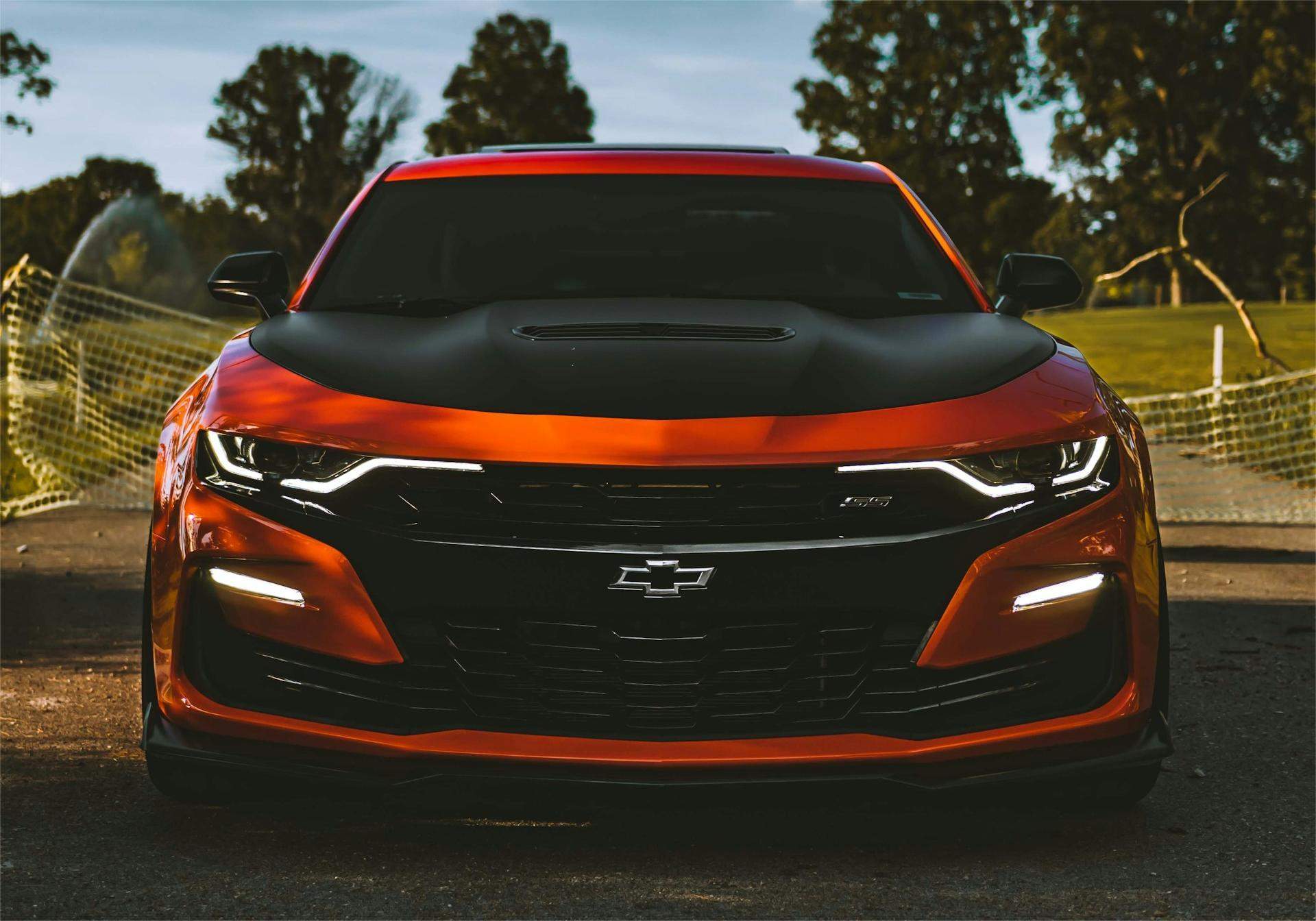
Chevrolet recognized the urgent need for a dedicated competitor to the runaway success of the Ford Mustang. Initially, the company hoped that the rear-engine Corvair would appeal to sporty buyers, but safety concerns and shifting tastes hampered its success. General Motors executives realized that the public craved a traditional front-engine, rear-wheel-drive pony car with a long hood and short deck. Therefore, they launched the “Panther” project in record time to address this glaring gap in their lineup. Engineers utilized parts from the Chevy Nova to ensure the car was both affordable and reliable for the average consumer. Ultimately, the name “Camaro” was chosen to suggest a sense of comradeship and fierce competitive spirit.
Vehicle Performance Stats
Standard & Rally Sport (RS) Trims
- Engine: 230 cubic inch Straight-6
- Horsepower: 140 hp
- Torque: 220 lb-ft
- Transmission: 3-speed manual standard
- 0-60 MPH: 12.5 seconds
- Quarter Mile: 18.9 seconds
Super Sport (SS 350) Package
- Engine: 350 cubic inch V8
- Horsepower: 295 hp
- Torque: 380 lb-ft
- Transmission: 4-speed manual or Powerglide
- 0-60 MPH: 8.0 seconds
- Quarter Mile: 15.4 seconds
Z/28 Performance Package
- Engine: 302 cubic inch V8
- Horsepower: 290 hp (factory rating)
- Torque: 290 lb-ft
- Chassis: Heavy-duty suspension and power brakes
- 0-60 MPH: 6.9 seconds
- Quarter Mile: 14.8 seconds
Super Sport (SS 396) Big Block
- Engine: 396 cubic inch V8
- Horsepower: 325 hp (Standard) / 375 hp (L78)
- Torque: 410 lb-ft
- Transmission: Heavy-duty 4-speed manual
- 0-60 MPH: 6.0 seconds
- Quarter Mile: 14.5 seconds
How people reacted to it at launch
Public reception of the 1967 Camaro was immediate and enthusiastic from the moment it arrived in showrooms. Potential buyers swarmed dealerships to catch a glimpse of the hidden headlights and the flowing “coke-bottle” styling. Many enthusiasts appreciated the vast array of engine options, which allowed them to build anything from a grocery getter to a drag racer. Furthermore, the marketing campaign successfully positioned the car as a more mature and refined alternative to the Mustang. Sales figures reflected this excitement, with over 220,000 units sold in the very first model year. Consequently, Chevrolet proved that they could put the pony car market on notice.
Journalist Reviews at the Time
Period journalists praised the Camaro for its solid construction and surprisingly comfortable ride quality. Car and Driver noted that the car felt much more substantial than the Mustang, providing a sense of confidence at high speeds. One reviewer famously stated that the Camaro was “a very pleasant way to travel rapidly.” Analysis from Motor Trend highlights that despite being hurried to market, the 1967 model achieved a “pure, classic proportion” that avoided the brashness of its competitors. Design experts noted that the car’s “lean and muscular” aesthetic helped it maintain a timeless look that stood out during the muscle car era. While some critics mentioned that the rear suspension could be bouncy on rough roads, most agreed that the overall package was exceptional. Indeed, the consensus among the automotive press was that Chevrolet had hit a home run on their first attempt.
Competitors
Ford Mustang

The Mustang underwent its first major redesign in 1967 to allow for larger “Big Block” engines to compete with the upcoming Camaro.
- Standard Trim: Came with a 200 cubic inch Inline-6 (120 hp). It was the high-volume “commuter” version.
- GT Equipment Group: A performance package that could be added to any V8. It included power disc brakes, grill-mounted fog lights, and a dual exhaust system.
- GTA: This was essentially a Mustang GT equipped with an automatic transmission (the “A” stood for Automatic).
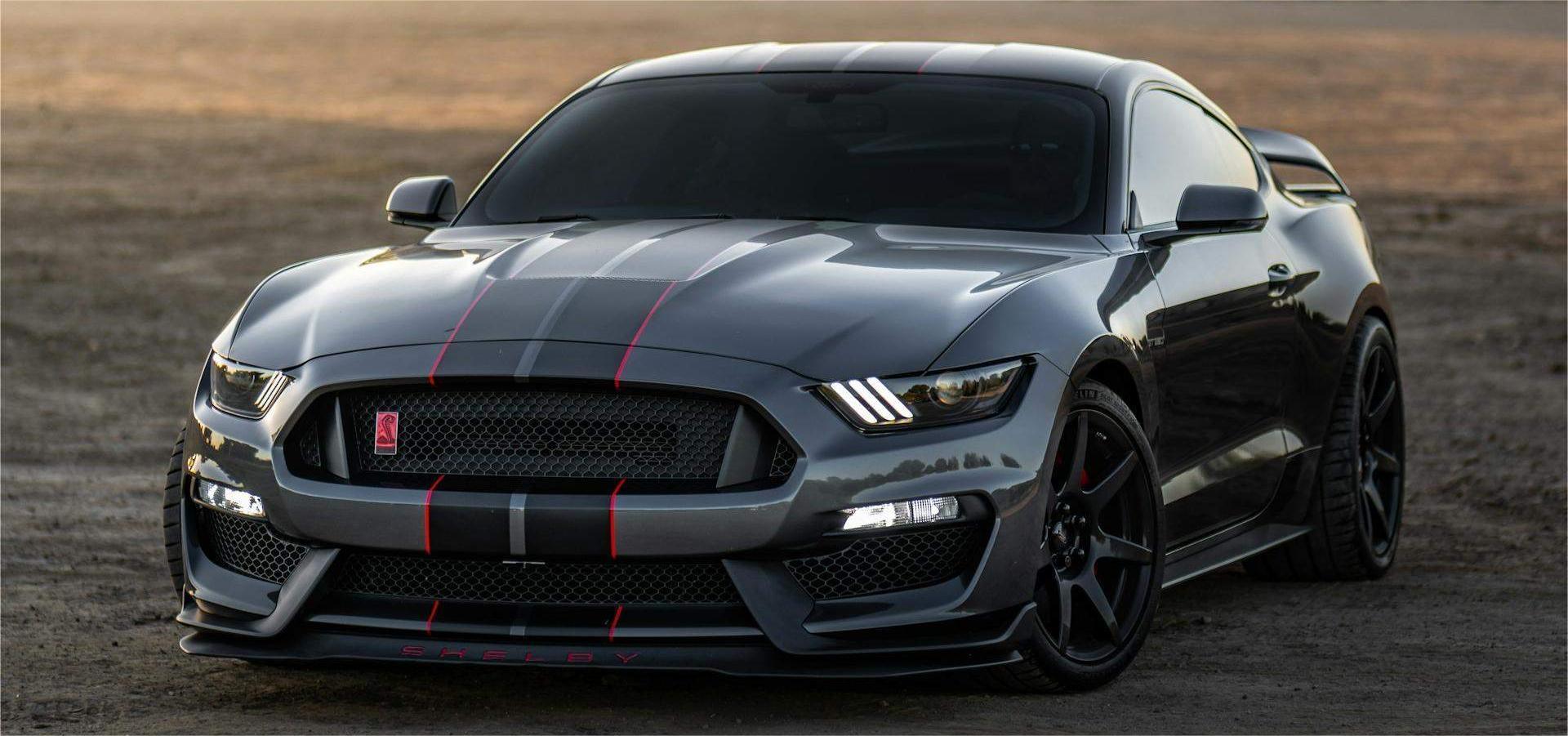
- Shelby GT350: A high-performance variant featuring a modified 289 cubic inch V8 producing 306 hp.
- Shelby GT500: The legendary “Eleanor” style beast, featuring a massive 428 cubic inch V8 producing an official 355 hp (though many enthusiasts say it was much higher).
While Ford widened the 1967 Mustang to accommodate its first big-block, the Camaro’s subframe design offered a much more accessible engine bay. By avoiding the cramped ‘shock towers’ found in the Mustang, the Chevy became the immediate favorite for mechanics and drag racers who prioritized ease of maintenance and the potential for massive engine swaps.
Pontiac Firebird

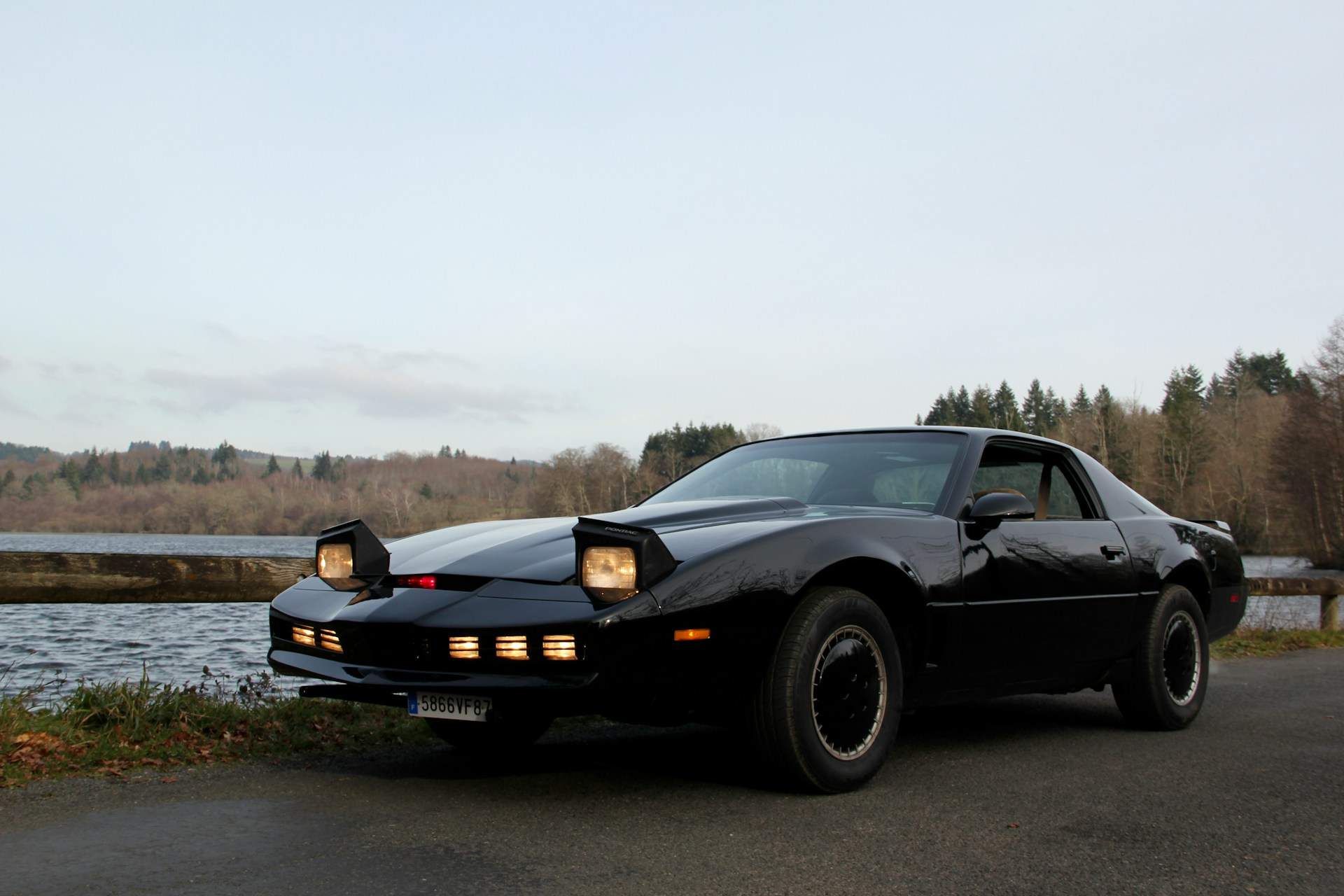
Released mid-year as the Camaro’s ‘cousin,’ the Firebird shared the same body but used Pontiac’s unique engine lineup. As documented in MAC’S MOTOR CITY GARAGE, the Firebird aimed at a more upscale market, featuring a unique front end and more low-end torque.
- Base Firebird: Featured an innovative 230 cubic inch OHC (Overhead Cam) Inline-6 producing 165 hp.
- Sprint: A unique high-performance Inline-6 model with a 4-barrel carburetor, pushing the OHC-6 to 215 hp. It was marketed as a “European-style” sports car.
- Firebird 326 HO: The “High Output” version of the 326 V8, delivering 285 hp and aimed at the middle of the market.
- Firebird 400: The top-tier muscle trim, using a 400 cubic inch V8 from the GTO. It was rated at 325 hp to follow GM’s corporate weight-to-power rules.
- Ram Air 400: A rare, functional cold-air induction package for the Firebird 400 that utilized hood scoops to increase breathing and high-RPM power.
Pontiac introduced the Firebird just a few months after the Camaro, sharing the same basic F-body architecture. The Firebird aimed at a more upscale market, featuring a unique front end with an integrated bumper. Additionally, it used Pontiac’s own line of engines, which often produced more low-end torque than the comparable Chevy units. Therefore, the Firebird appealed to the driver who wanted a bit more luxury and sophisticated branding.
Plymouth Barracuda

1967 was the first year the “Fish” moved away from its economy-car roots, offering a dedicated notchback, fastback, and convertible.
- Base Trim: Often equipped with the reliable 225 cubic inch “Slant Six” producing 145 hp.
- Commando V8: An optional 273 cubic inch V8 with a 4-barrel carb that delivered a snappy 235 hp.
- Formula S: The premier performance package. It was essentially Plymouth’s version of the “SS,” featuring a heavy-duty suspension, wider tires, and special badging.
- Formula S 383: The “Big Block” Barracuda. While it produced 280 hp, it was a tight fit in the engine bay—so tight that you couldn’t order it with power steering or air conditioning!
Plymouth redesigned the Barracuda for 1967 to make it a more serious contender in the pony car wars. It featured a striking fastback design and a much improved interior compared to the previous generation. Nevertheless, the Barracuda lacked the sheer marketing might and dealership network of General Motors and Ford. While it was a capable and stylish machine, it often struggled to gain the same level of cultural traction as the Camaro.
Summary of Competitor Comparisons
Comparing these vehicles highlights the incredible diversity of the American automotive industry during this era. Ford focused on accessibility and branding, while Pontiac leaned into luxury and torque. Plymouth offered a unique design language that stood apart from the more traditional shapes of the Big Two. Chevrolet, however, managed to find the perfect middle ground by offering immense power and classic styling at a competitive price point. Each of these cars pushed the others to improve, resulting in a rapid evolution of performance technology. Although the Mustang was ahead in sales, the 1967 Camaro stood out as the most versatile newcomer, capable of challenging the established order on every front.
Racing & Cultural Impact
Motorsports History
Success on the racetrack was vital for establishing the Camaro’s high-performance credentials. The Z/28 package was specifically developed to meet SCCA Trans-Am racing regulations, which limited engine size to 305 cubic inches. Roger Penske took this special model and turned it into a dominant force on road courses across the country. They won several high-profile races, proving that the Camaro could handle corners as well as it handled straightaways. These victories helped move the car’s image away from just being a “boulevard cruiser” toward being a legitimate sports car. Consequently, the “Z/28” badge became one of the most respected names in the history of American motorsports.
Street Racing & Drag Racing Culture
Street racers and drag strip enthusiasts adopted the Camaro almost immediately because of its durable chassis and potent V8 engines. The car’s relatively light weight made it a natural choice for the quarter-mile sprint. Many owners found that they could easily swap parts and tune the engines for massive power gains with limited tools. On the professional drag racing circuit, the Camaro became a consistent winner in the Stock and Super Stock classes. Legendary racers like Grumpy Jenkins used the Camaro to showcase the potential of small-block and big-block Chevy power. This grassroots popularity ensured that the Camaro remained a fixture of the American performance scene for decades.
Pop Culture & Media Appearances
High school student Lane Meyer spends his days pining after a girl who left him for the captain of the ski team. In the classic film Better Off Dead, he finds solace in a neglected 1967 Camaro sitting under a tarp in his driveway. The car is a mess, covered in dust and memories of better days. However, with the help of a friendly neighbor and a lot of elbow grease, Lane restores the black beauty to its former glory. When the engine finally roars to life, it represents Lane’s own rebirth and newfound confidence. He eventually drives the car in a high-stakes race, using the power of the V8 to leave his problems in the rearview mirror. This cinematic appearance cemented the 1967 Camaro as the ultimate symbol of cool for a whole generation of moviegoers.
What It Means Today
Collector Value
Collector interest in the 1967 Camaro has skyrocketed over the last twenty years, making it a cornerstone of the classic car market. Authentic, matching-numbers Z/28 and SS models frequently command six-figure prices at major auctions. Even base models that have been well-maintained serve as excellent entry points for new collectors. The simplicity of the mechanical systems makes these cars relatively easy to restore compared to modern, computer-controlled vehicles. Furthermore, the strong support from the aftermarket means that parts are always available for those looking to keep their legends on the road. Indeed, the 1967 Camaro remains one of the most sought-after pieces of automotive history in existence.
Enthusiast Following

Enthusiasts around the world maintain a passionate connection to the 1967 model through clubs, shows, and online communities. These fans celebrate the car’s heritage while also embracing modern modifications through the “pro-touring” movement. Many owners choose to install modern brakes, suspension, and fuel injection to make their vintage Camaros more driveable in today’s traffic. This blend of classic style and modern performance keeps the first-year Camaro relevant for younger generations of drivers. Furthermore, the annual Camaro Nationals event brings together thousands of fans to share stories and admire each other’s builds. This enduring community ensures that the spirit of 1967 will never truly fade away.
Legacy
The legacy of the 1967 Camaro is visible in every performance vehicle that Chevrolet has produced since its inception. It set the template for what an American pony car should be: stylish, powerful, and endlessly customizable. Its design language influenced decades of automotive styling, and its nameplate remains a powerhouse in the industry today. Moreover, the car’s ability to adapt to racing, street culture, and cinema has made it a true cultural icon. Without the bold move by General Motors in 1966, the landscape of American car culture would be far less vibrant. The 1967 Camaro isn’t just a car; it is a permanent part of the American story.
Conclusion
Reflecting on the 1967 Camaro provides a window into a time of immense transition and excitement. This vehicle was born from a perfect storm of economic prosperity, social change, and intense corporate competition. It captured the imagination of a generation and gave them a way to express their freedom on the open road. While many other cars from that era have been forgotten, the first-year Camaro continues to inspire awe and respect. Its lasting significance lies in its ability to bridge the gap between nostalgia and modern performance. We celebrate this machine as a timeless masterpiece of design and a testament to the enduring power of American ingenuity.